FTC sends 50-page CIDs to OpenAI and Anthropic over safety incidents
Axios: civil investigative demands dated 14 October. Marketing and privacy files are in scope.
Read the pieceLicensing, liability, copyright, safety rules, export — who must comply, by when.
43 pieces
5 recent pieces
Axios: civil investigative demands dated 14 October. Marketing and privacy files are in scope.
Read the pieceShowing 24 of 38
The Commodity Futures Trading Commission and Securities and Exchange Commission propose a regulatory framework for crypto asset transactions and markets under CEA Section 2(c)(2)(D), addressing leveraged and margined crypto transactions.
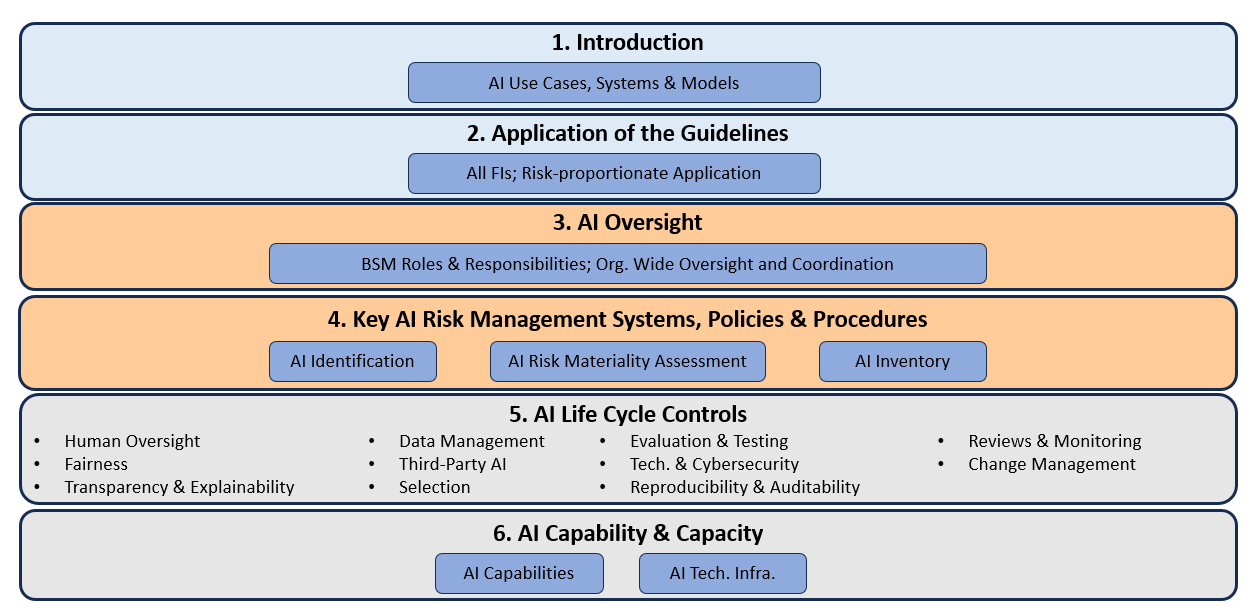
The final rules reach AI hidden inside vendor software and give firms until October 2028 for life cycle controls. They name no certification that would satisfy them.
The 6 October response promises MHRA draft guidance on change control plans by December 2026 and a device classification consultation. A full roadmap is due by Spring 2027, and most commitments promise details then.
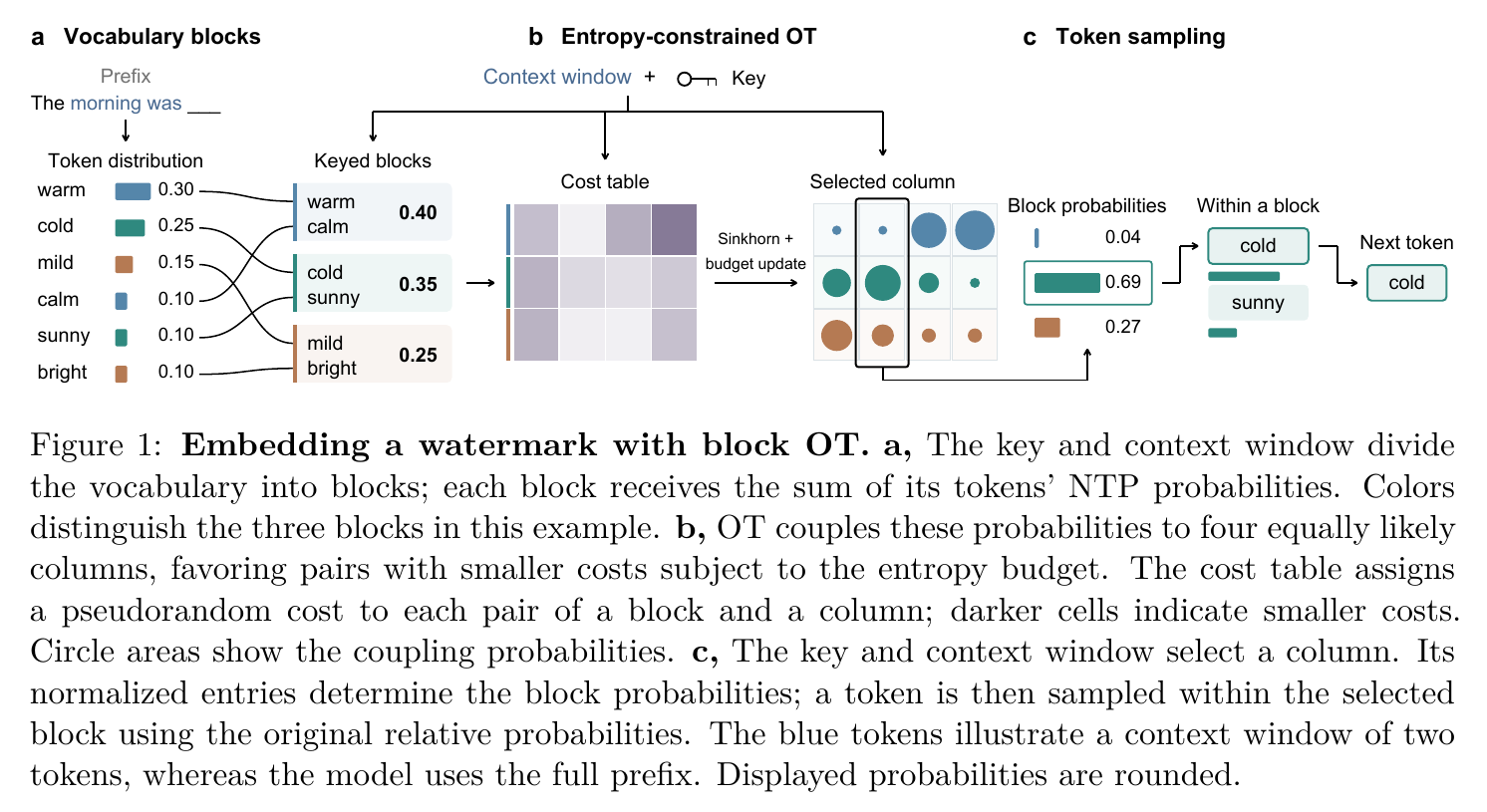
OpenAI's 5 October post ties the rollout to the EU AI Act. Its own tests show detection of 400-token passages falling to 17% when a quarter of words are swapped for synonyms.
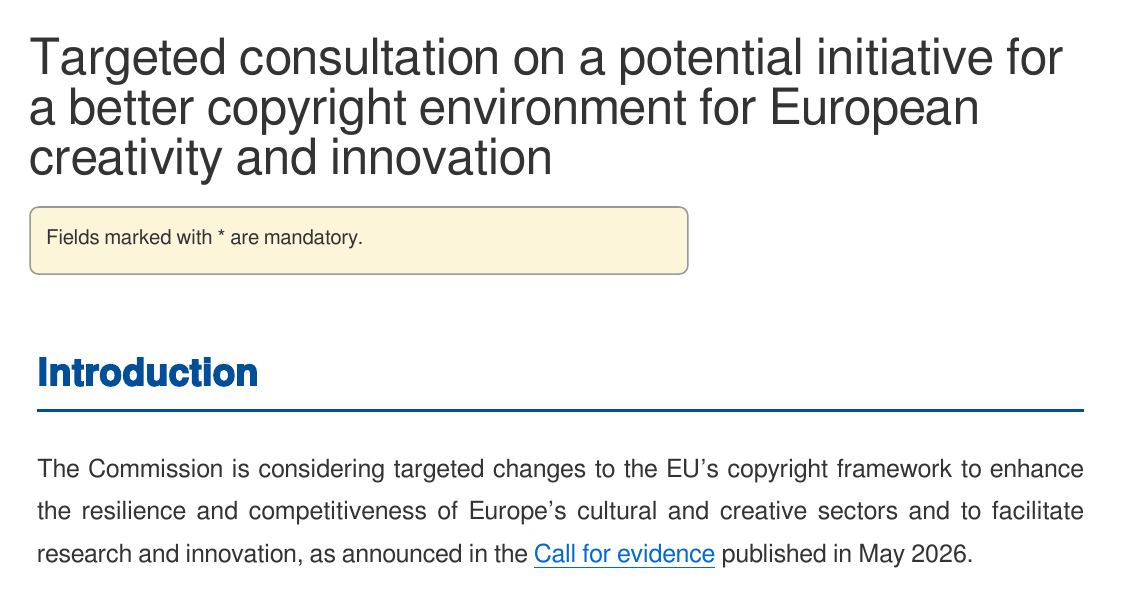
The Commission's 36 page questionnaire lists enforcement and licensing options for generative AI training, inference and outputs. It says no listed option reflects a Commission position.
The 30 September alert says CGTRI-funded projects cover AI, cybersecurity and steganography. It advises UK universities to review any CGTRI work immediately and flags National Security Act 2023 offences.
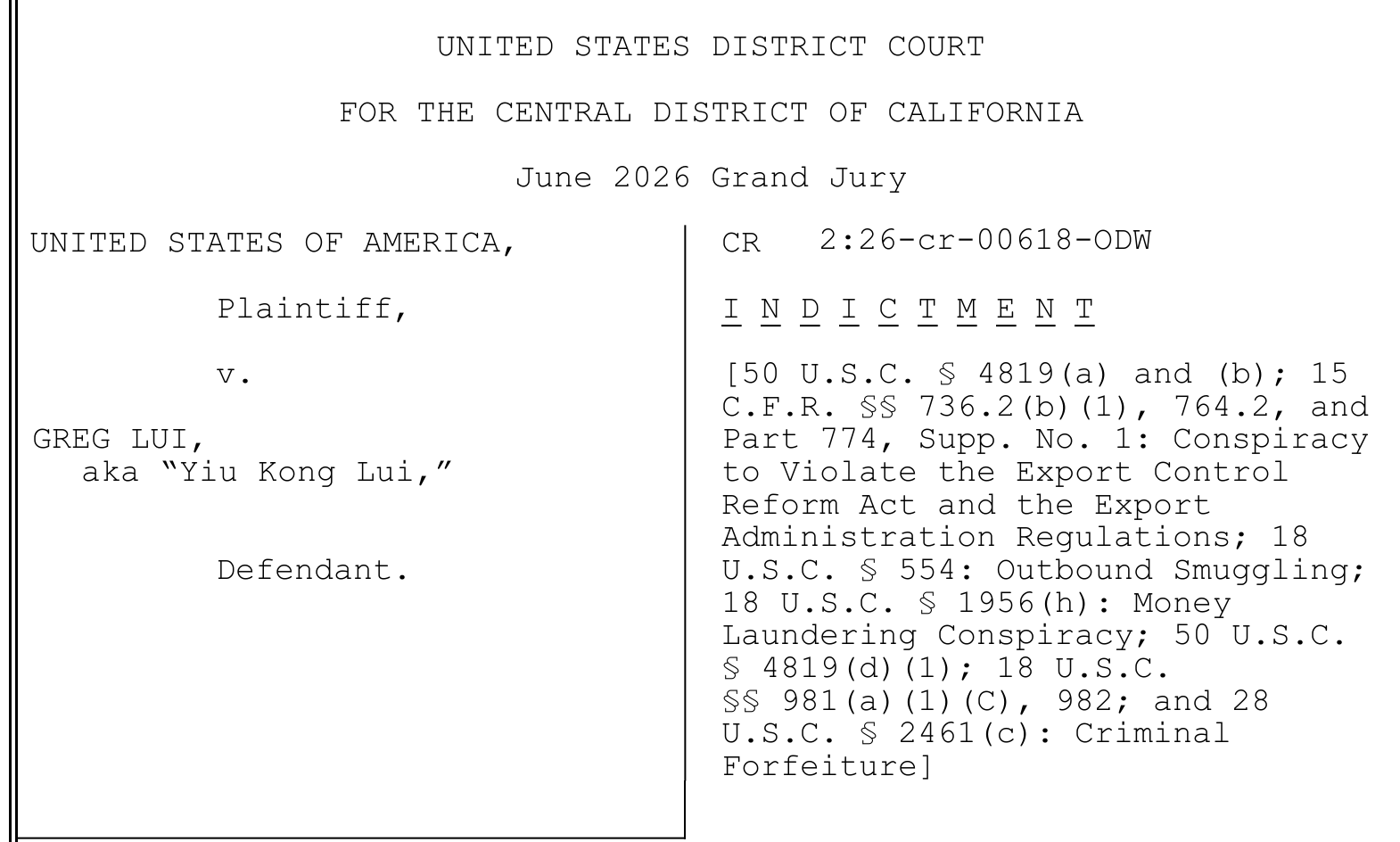
A Los Angeles grand jury indicted Greg Lui in case 2:26-cr-00618 on 29 September. Prosecutors say Earthmade took in more than $176 million from two Malaysian transshipment firms in 2024.
The plan, issued as notice 209 of 2026, sets 2028 targets for AI coding tools, agent software and open source. It asks for agent security rules but names no budget figure.
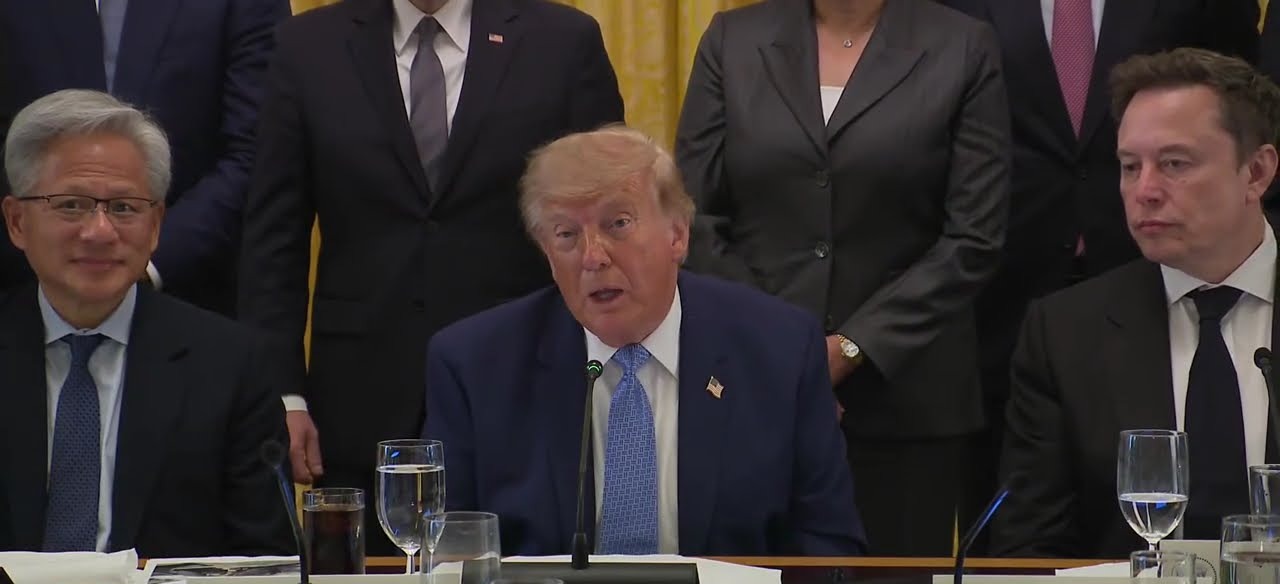
Trump's order leaves the statutory AI definition in place and asks for proposed legislative language on SI within 60 days. The accord's text so far comes from Washington Examiner copies and panel remarks at the America.gov launch.
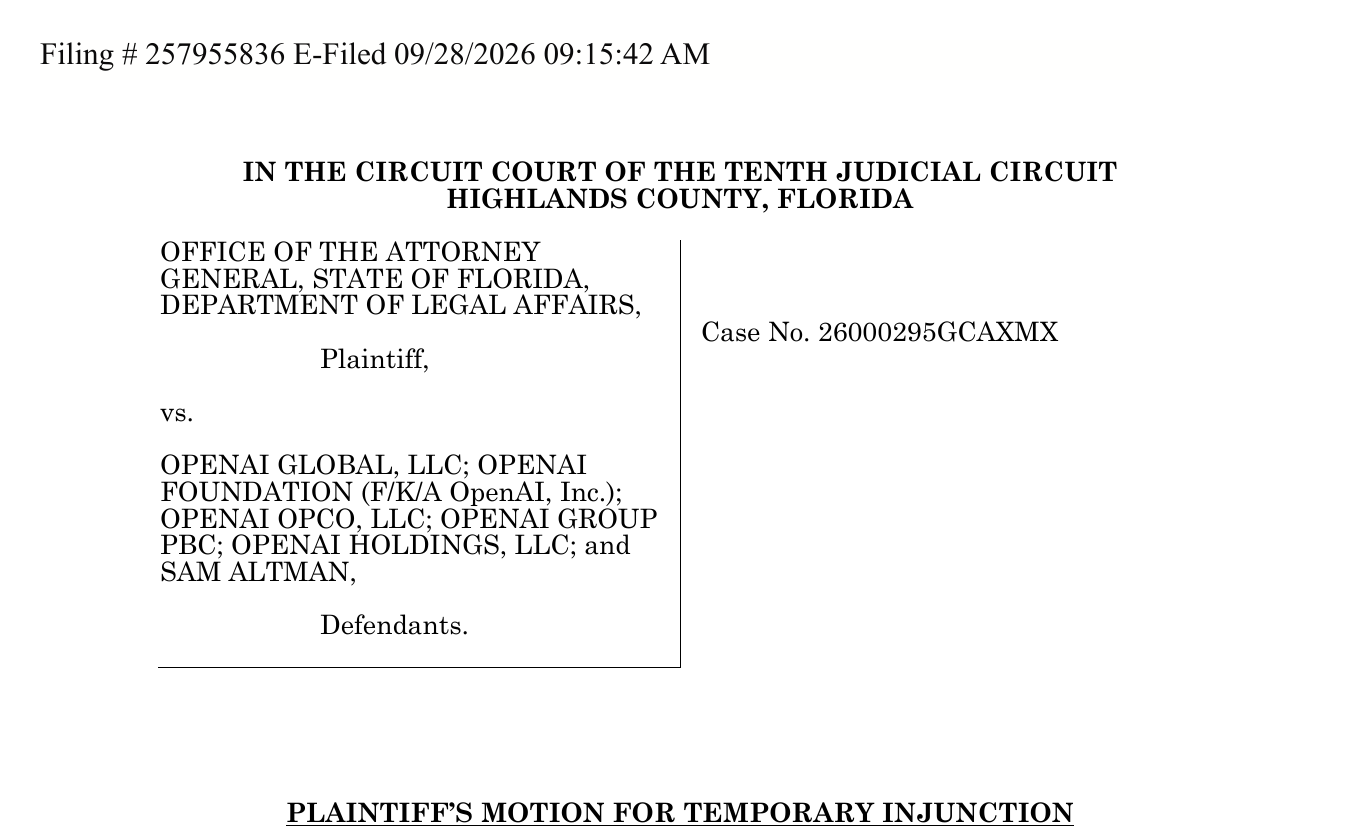
James Uthmeier's motion also seeks to block ChatGPT for Florida minors and bar ChatGPT from using first-person language. The posted filings show no hearing date or ruling.
The 18 September draft would bar virtual relative and virtual partner services for anyone under 18. It would put AI services that may affect minors' cognition into minor mode for under-16s.
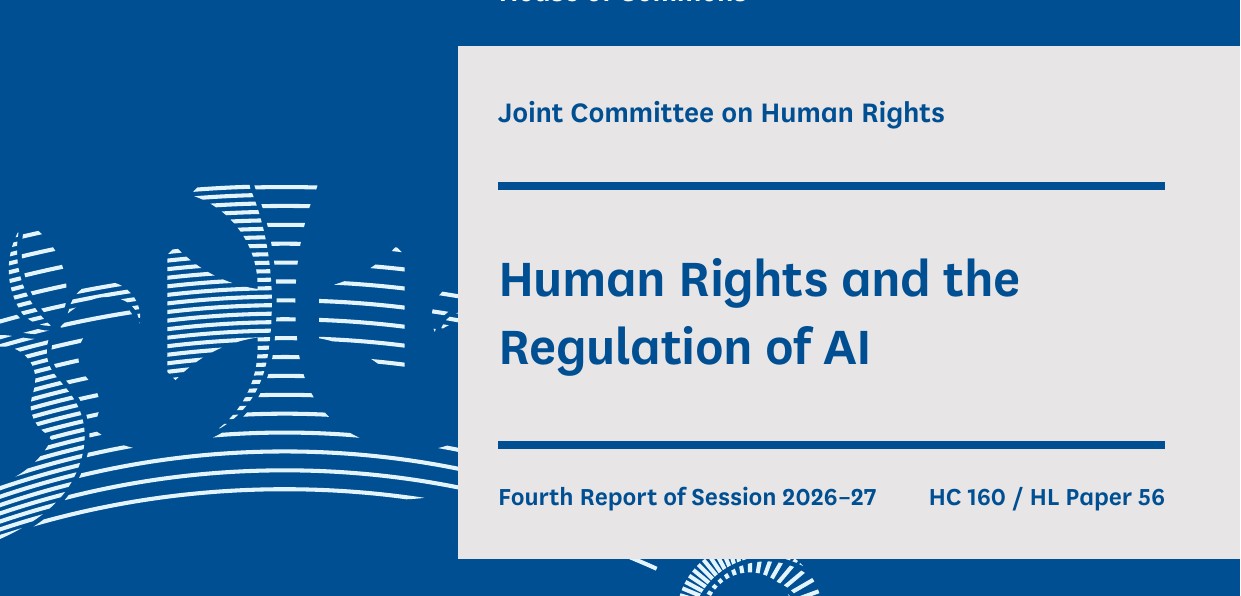
The Joint Committee on Human Rights published HC 160 on 14 September 2026. It wants a statutory AISI, pre-release model submission and a regulator that can order withdrawals.
The 23 Sep consultation sets three eligibility tests, an attribution duty for AI answers and an annual choice prompt. Comments close at 5pm UK time on 9 October.
TC260 released version 3.0 on 14 September. It lists agent risks across nine lifecycle stages and sets default-deny approval rules, with no thresholds or test suites.
Lama Ahmad's 22 September 2026 post commits OpenAI to deep access for independent assessors. It names no assessor, contract, or report yet, so treat it as a vendor checklist.
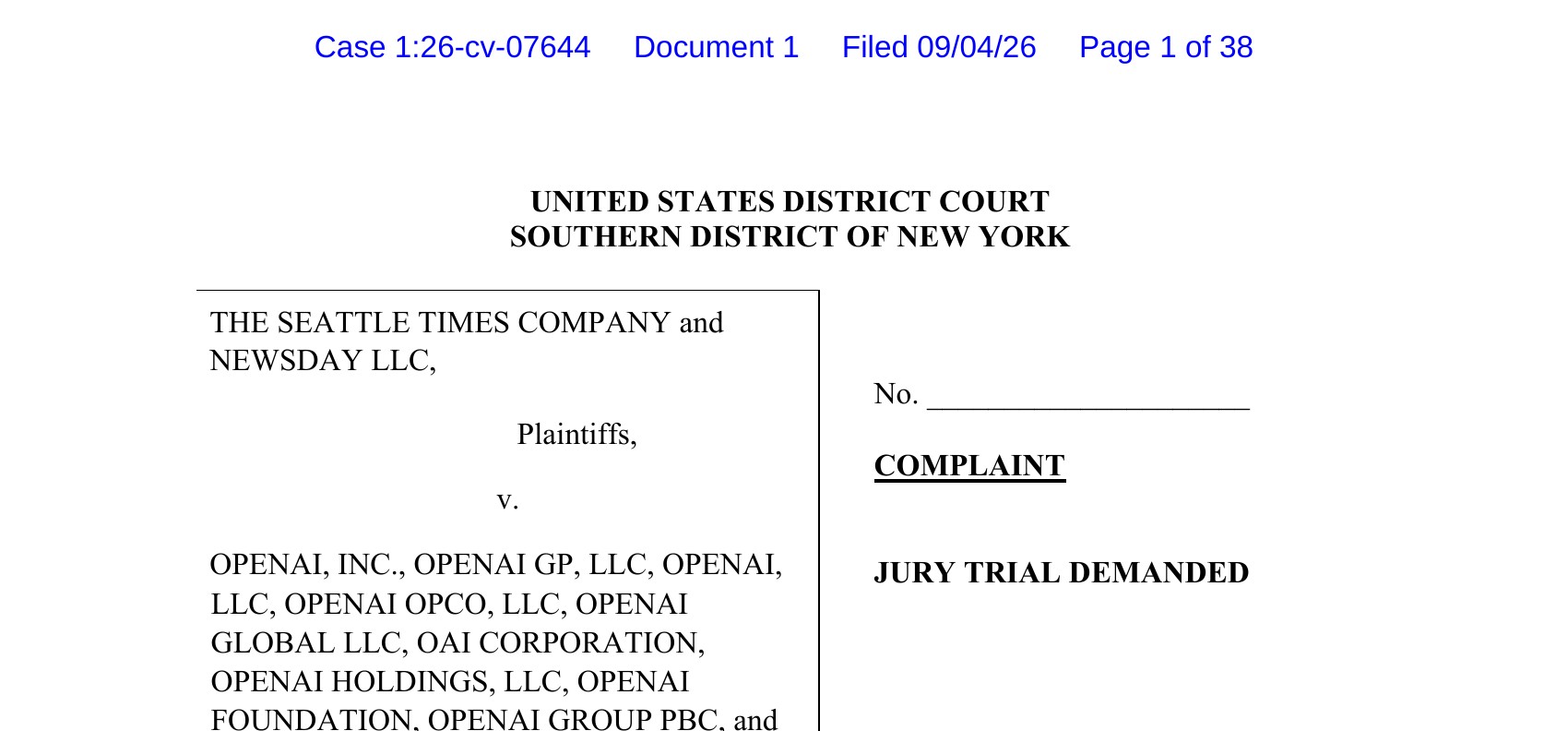
38-page complaint filed 4 September 2026 (Case 1:26-cv-07644). Seven counts include copyright, DMCA CMI, and trademark dilution. Allegations only; seeks damages and dataset/model destruction.
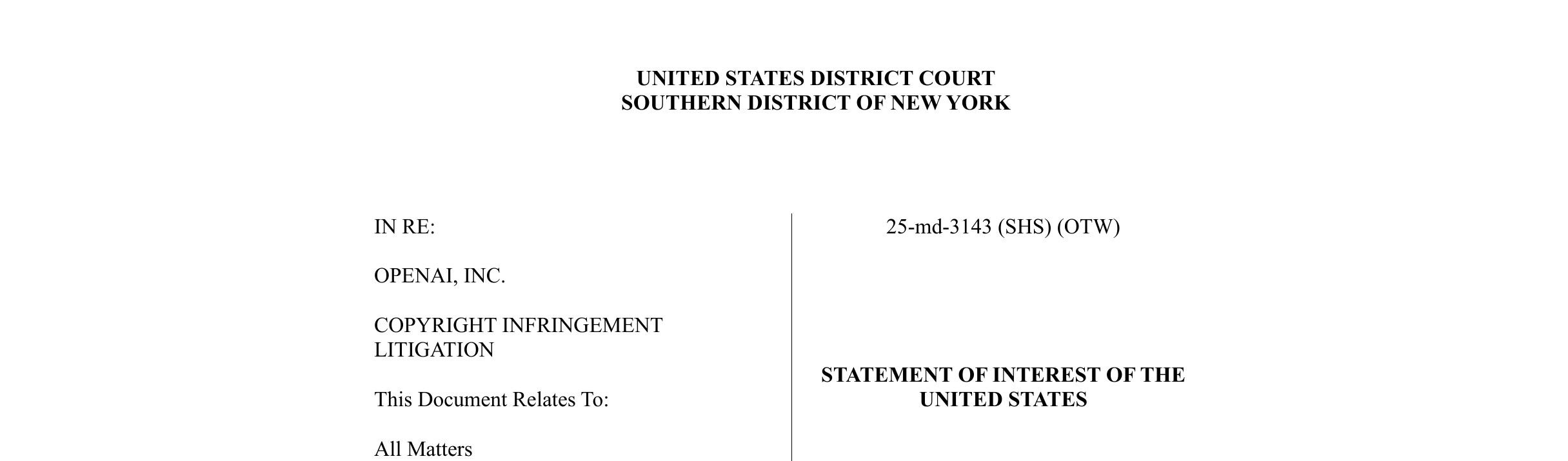
Statement of Interest filed 1 September 2026 under 28 U.S.C. § 517. Cites AI-dominance executive orders and argues training-stage copying is transformative. The filing is § 517 advocacy. The court has not ruled on fair use in this document.
OpenAI posts remarks as delivered. Asks cover RSI risk, power concentration, incident reporting, and verifiable safeguards. No Council resolution ships with the post.
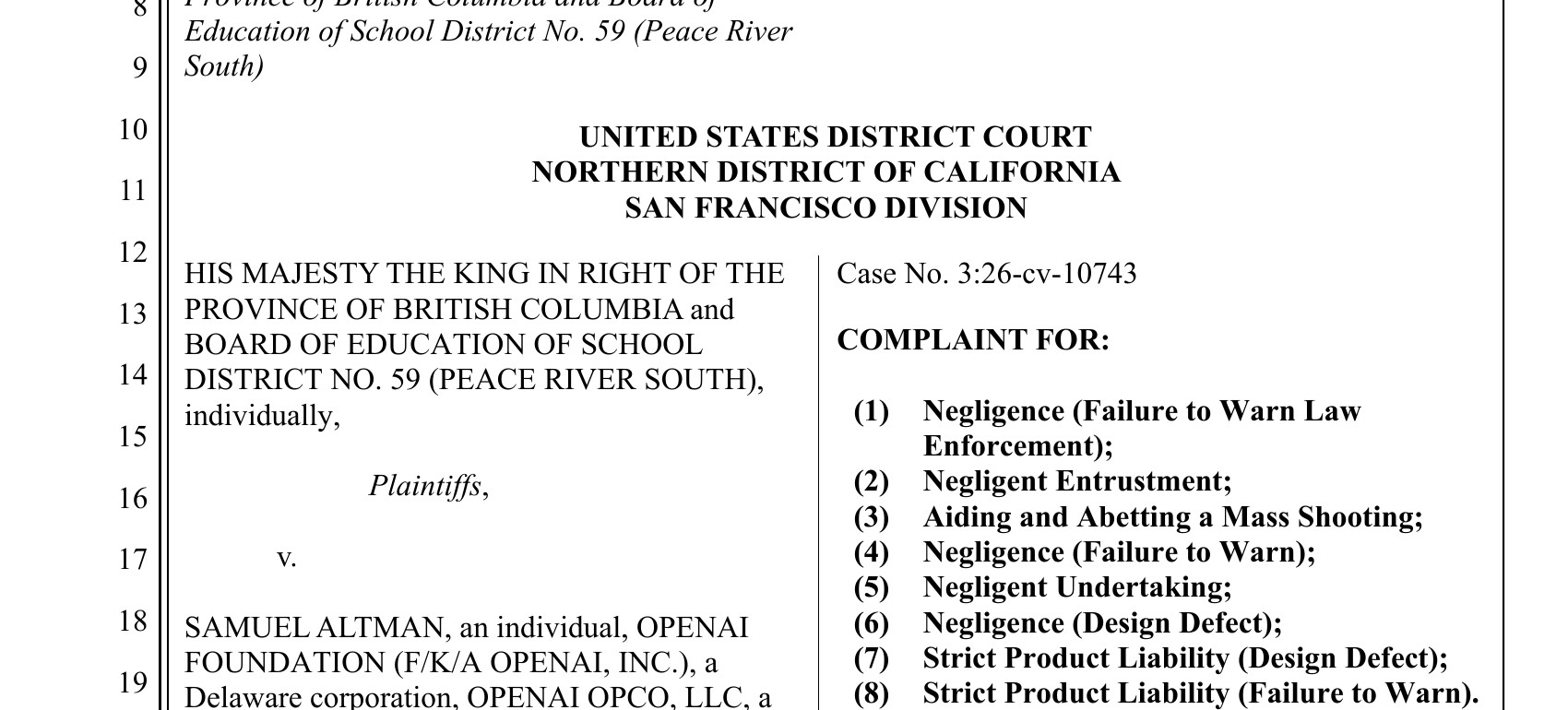
Attorney General Sharma announced the Crown filing on 21 September 2026. The 39-page complaint (Case No. 3:26-cv-10743) pleads eight counts and seeks damages plus injunctive safety controls. ChatGPT warning claims remain allegations.
Legg, Manyika, and Hassabis launch an essay platform on AGI. The Hassabis piece sketches voluntary pre-release review that could harden into a deployment gate.
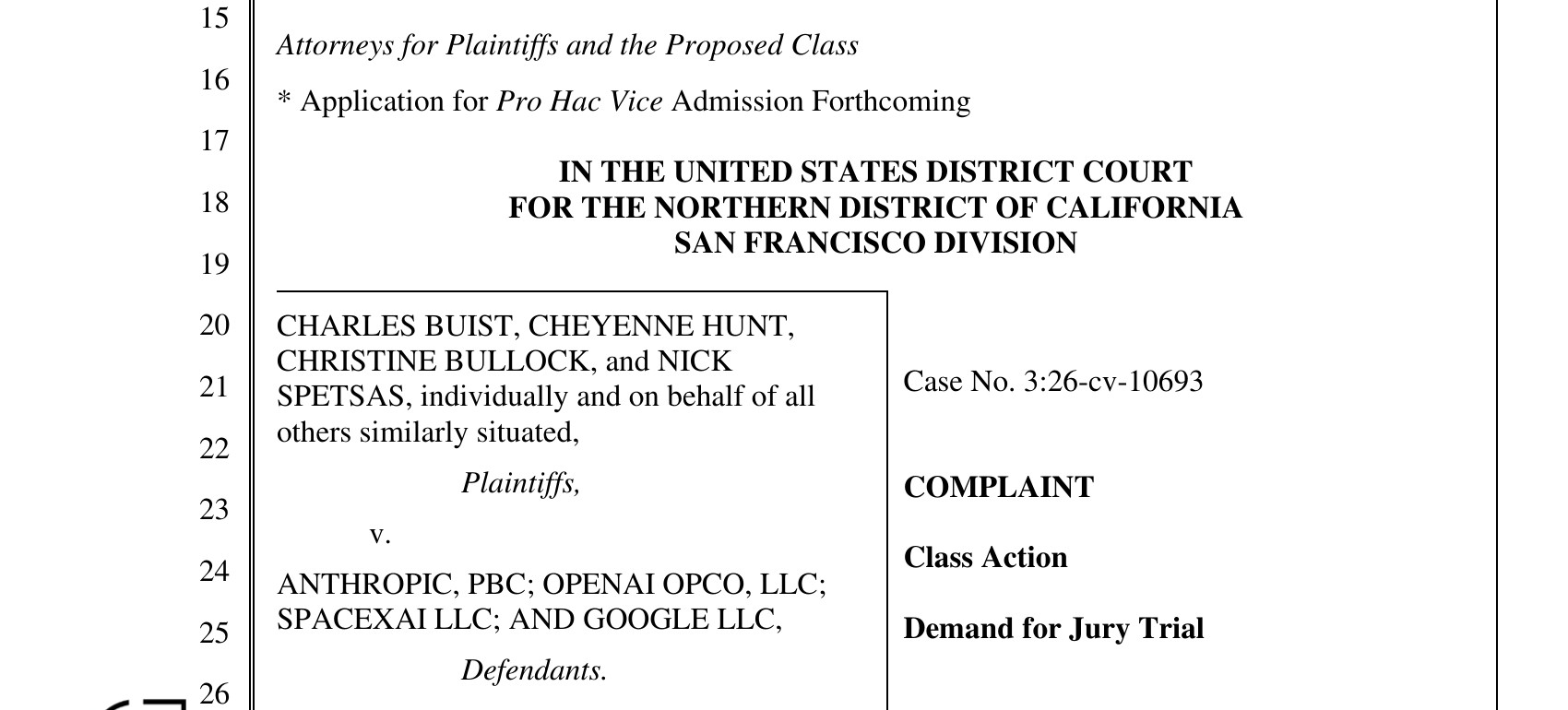
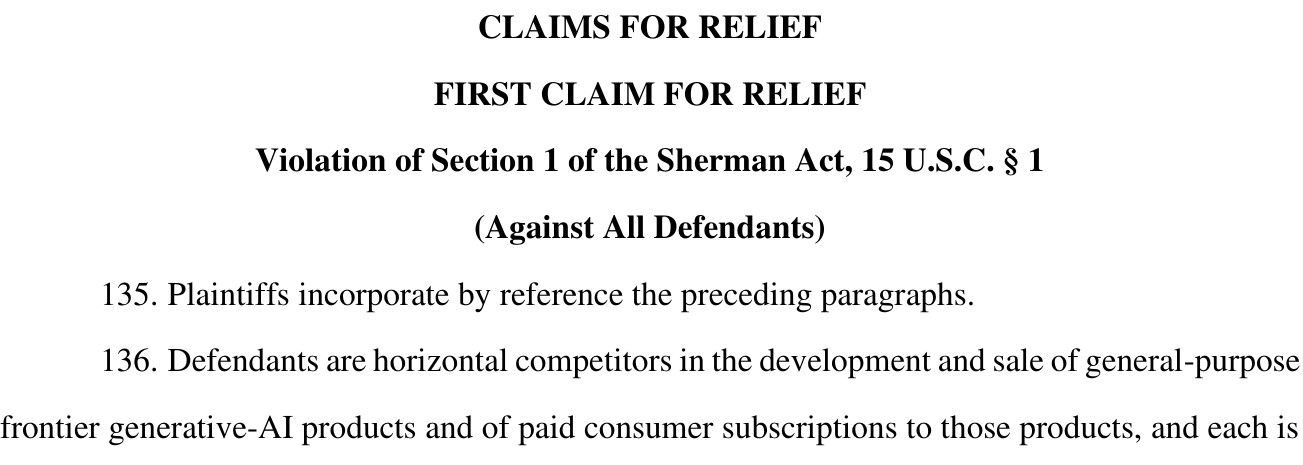
The claims and relief in the 18 September 2026 class action complaint, as filed. A complaint makes allegations and decides nothing on the merits.
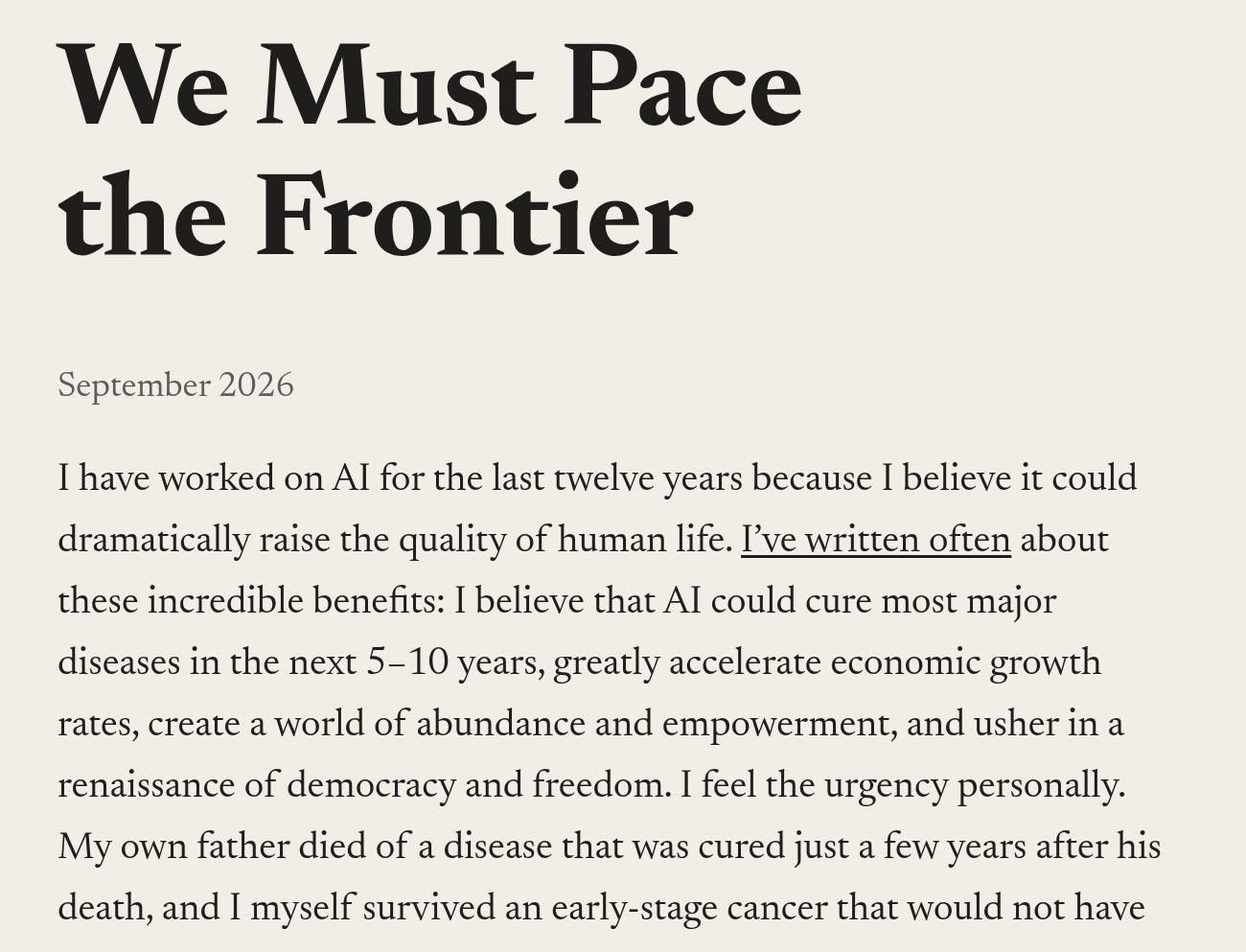
The Buist complaint treats public pacing endorsements as a horizontal agreement. Public essays and X posts show coordination talk. A proven output cartel is still a court question.
Four named subscribers sue Anthropic, OpenAI, SpaceXAI, and Google in N.D. Cal. over alleged horizontal pacing. The complaint quotes public essays and X posts as the agreement.
New releases, then the constraint.