
Google's Suncatcher TPU satellite reaches orbit
Google published Our Project Suncatcher prototype satellite is in orbit on 1 October 2026 US time (2 October in Singapore). Travis Beals, Senior Director, Paradigms of Intelligence, signed the post.
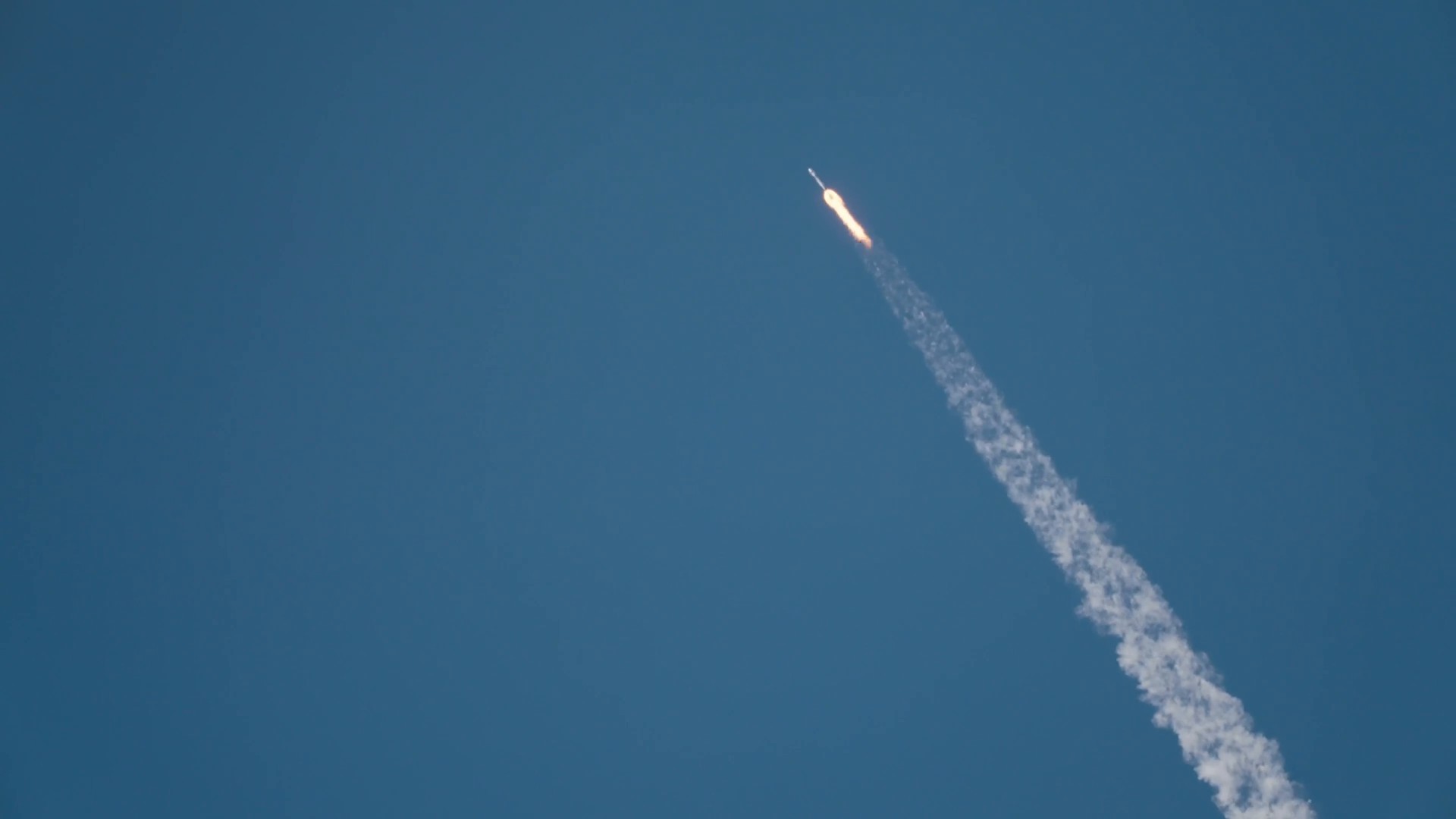
The post says the prototype launched that day aboard SpaceX's Transporter-18 rideshare mission. Google says its team "has confirmed contact with the satellite and it is operating as expected."
Google calls the satellite "the first step in a long-term research moonshot." The project asks whether space could one day host scalable machine learning infrastructure.
Planet built the satellite with Google
Google says Planet built the prototype in partnership with it. Planet's launch release, issued through Business Wire at 6:42 PM EDT on 1 October (06:42 SGT on 2 October), adds these details:
- Planet says it launched 20 satellites on Transporter-18 from Vandenberg Space Force Base in California.
- Planet calls the payload "the first demo mission for Google's Project Suncatcher". Its summary line names it Project Suncatcher M1.
- Planet says it has made initial contact with the prototype and begun commissioning.
- Planet says the satellite "will run the first-ever test of Google’s Tensor Processing Units (TPUs) in space." That is Planet's claim.
What the TPU payload will test
Google says that over the coming weeks it will "gather in-orbit data on how our TPUs handle the physical stress of spaceflight and the radiation and thermal extremes of space."
Google's earlier explainer post, dated 24 September 2026, describes the ground tests behind the mission:
- Google tested TPUs in a proton beam at UC Davis's Crocker Nuclear Laboratory while running AI workloads.
- Google says initial results show its Trillium TPUs can survive a total ionizing dose greater than a five-year space mission would deliver.
- Google says launch loads reach up to 10 times the force of gravity. It says components such as TPU chips can see 50 to 100 g. It says the hardware held up in vibration tests.
- Google says its cooling approaches include heat pipes and radiators, tested so far in a thermal vacuum chamber.
- Google says satellites in low Earth orbit can generate up to eight times more solar power than on Earth.
The new post links a peer-reviewed paper in Joule. Crossref lists it as "Toward a future space-based, highly scalable AI infrastructure system design", article 102678, October 2026. Authors include Blaise Agüera y Arcas, Travis Beals and James Manyika.
No in-orbit results yet
When The Frontier checked Google's blog feed at 07:24 SGT on 3 October, Google had published no in-orbit data. The radiation figures come from Google's ground tests and are self-reported, with no independent replication cited.
The publisher's pages blocked The Frontier's scripted fetches of the Joule paper, so this article does not describe its findings.
Google says future satellites will each carry dozens of TPU chips and link through lasers. It says it will test those links in 2027 by putting two satellites in orbit. Neither Google post gives a date for a working compute cluster in space.
Watch for Google's in-orbit TPU data
Infrastructure planners have nothing to buy or deploy. Watch for Google's in-orbit data in the coming weeks, especially radiation error rates and thermal results against the ground tests.
Teams tracking AI power limits can compare this with ground-side rules. See European Commission adopts an A-to-G energy and water label for data centres above 500 kW on 21 September. Grid-side flexibility proposals are covered in AEMA asks grids to treat flexible AI data centers as controllable load.