
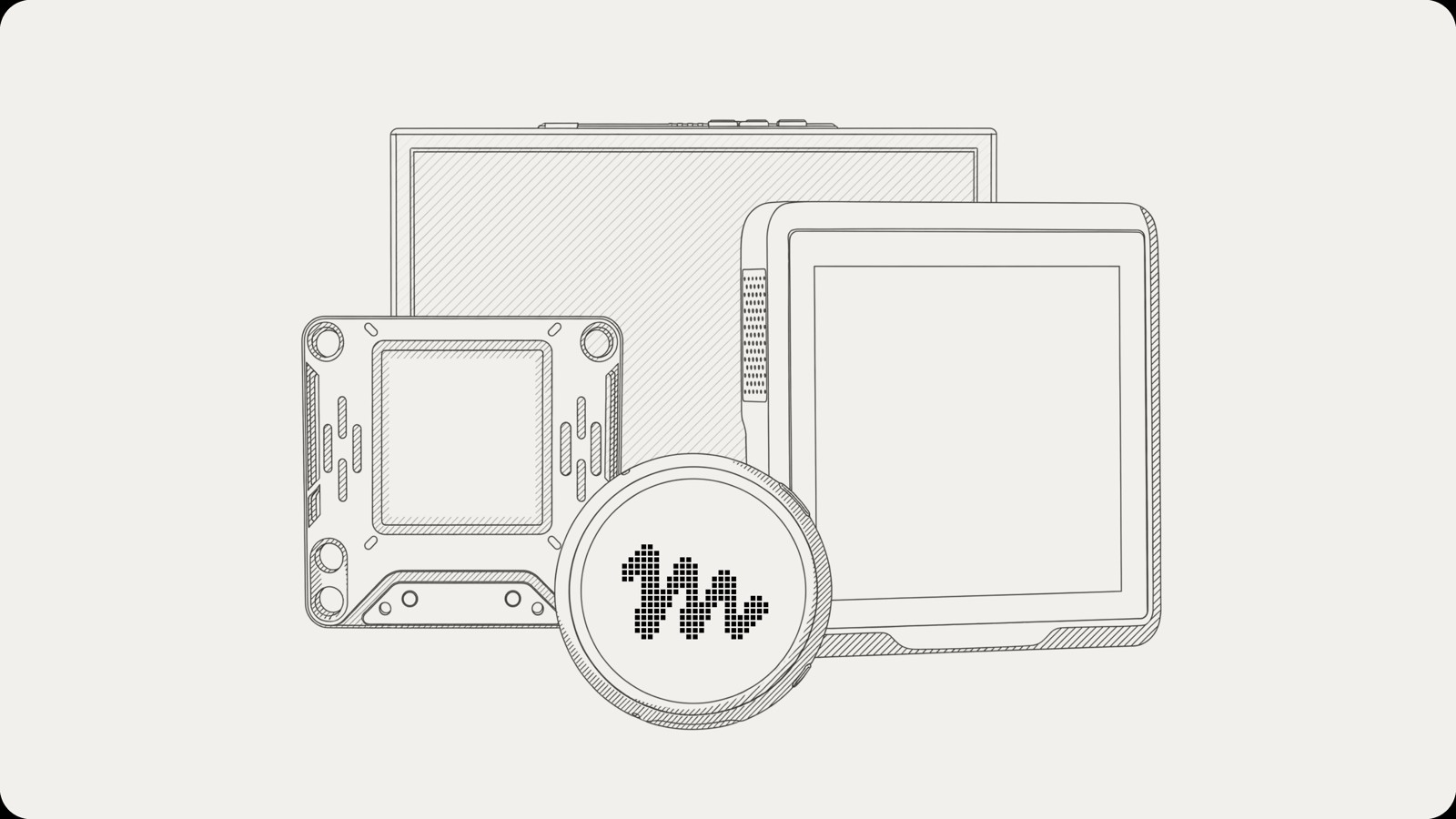
Open SDKs for Pi and ESP32 boards
Meta published Muse Gadgets as an open source kit for hardware that talks to Muse. The GitHub repository ships two SDKs under Apache 2.0.
The ESP32 Device SDK targets off-the-shelf boards with screens, audio and sensors. The Linux Device SDK turns a Raspberry Pi or other Linux box with Bluetooth LE into a Muse gadget.
The Linux README lists four commands Muse can call: system.run, file.read, file.write and device.health. Commands run as the install account. "If it can use sudo, so can Muse," the README says.
Muse moves from chat into the home network
Meta is pushing Muse beyond a chatbot into devices and small business tools. Muse Gadgets is the hardware side of that push.
The site also offers Muse Home Link, a USB-C dongle that connects Muse to home Wi-Fi devices. It is free for US Muse subscribers, one per account, with October shipping on a first come basis.
Pairing runs through the Muse app under Settings, Devices, after Developer mode is on.
Apache 2.0 code, personal tokens
The SDK code is Apache 2.0. The Gadget SDK Token Terms are separate. Tokens are for personal, non-commercial use with your own Muse account.
A token may cover at most 50 devices. Meta forbids embedding a token in devices that are sold, advertised or listed publicly. The terms say the SDK is "not a supported product and not a developer platform."
When The Frontier checked at 19:07 SGT on 5 October, the GitHub repo had 1,317 stars.
Pick it for a lab Pi you control
Pick Muse Gadgets when you want Muse to run commands on a machine you control and you accept personal-use token limits.
The installer asks before it grants Muse the account and warns if that account can use sudo. The README suggests --run-as someone for an account without sudo.
Stay away if you need a commercial device SKU, a support SLA or a marketplace listing. The terms block those paths.
Full shell access and unverified pairing
system.run is a shell. Anything the account can do, Muse can do. There is no per-command confirmation step in the README's command list.
Pairing has "no manufacturer verification" and "can't prevent an active man-in-the-middle attack," the Linux README says. It tells you to set up on a network you trust.
The Jollybot avatar files are excluded from the Apache grant. Third-party components keep their upstream licences.
Site, repository and token terms
The Muse Gadgets site, the GitHub repository and the SDK token terms are listed under Sources below.